
Private Offices vs Co-Working Desks: Which Workspace is Right for You?

GS
Choosing the right workspace can make or break your productivity and job satisfaction. Whether you’re a freelancer, entrepreneur, or part of a growing company, understanding the differences between private offices and co-working desks is crucial for making an informed decision. Let’s explore both options to help you find your ideal work environment.
What are private offices?
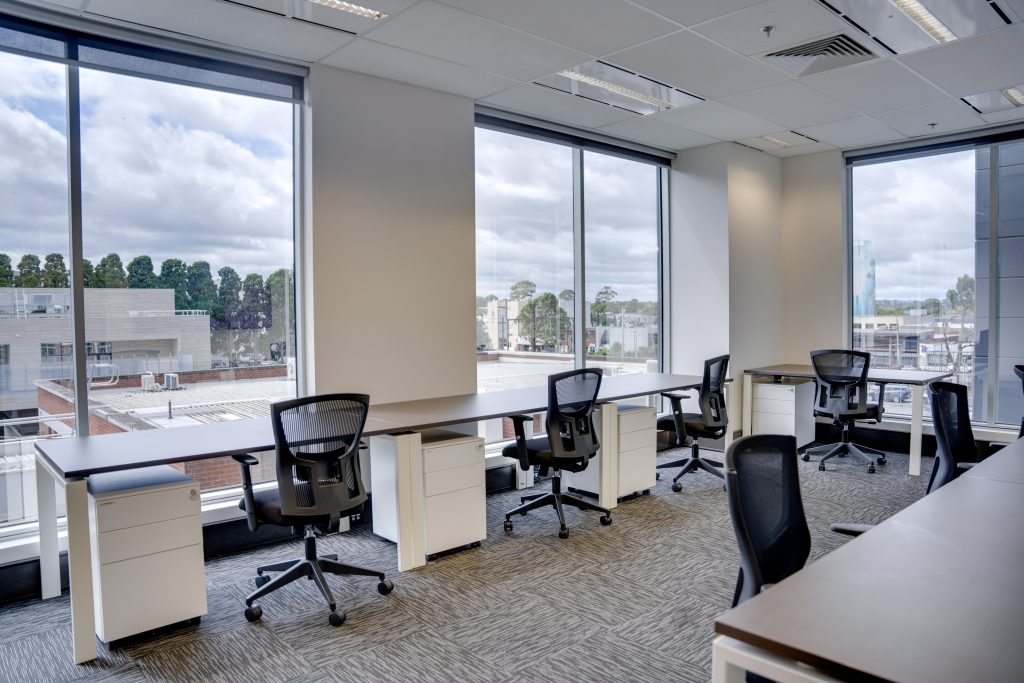
Private offices are enclosed workspaces that provide complete separation from other workers in a common co-working space. These offices are typically designed for a small to medium-sized team, for collaboration and privacy. Think of them as your own mini office within a larger building or workspace facility. Most private offices include basic furniture like a desk, chair, and storage solutions.
What are the pros and cons of private offices?
Are you a growing business owner looking for space for your team? Or an entrepreneur ready to trade noisy cafés for a dedicated, professional workspace? Let’s look over some of the reasons why a private office may be best for you.
Pros of a private office
- Privacy: Privacy is a huge reason why businesses may want a private office. When you’re handling sensitive client information, conducting confidential phone calls, or working on proprietary projects, having your own private space eliminates concerns about eavesdropping or unauthorised access to your work materials.
- Minimal distractions: The physical barriers of walls and doors create a buffer against the common distractions found in open workspaces. You won’t have to deal with nearby conversations, people walking past your desk, or the general office hustle and bustle. This controlled environment often leads to deeper focus and higher productivity levels.
- Professionalism: Having your own office provides a dedicated space for client meetings, video conferences, or important phone calls. This professional setting can improve credibility with clients and partners, as it demonstrates stability and legitimacy in your business.
- Personalisation: Private offices allow you to customise your workspace according to your preferences. While everything you get is in one monthly price with the co-working space, once hired and settled in, you can adjust lighting, move around decor, and switch up the layout without considering how it might affect others in the remaining areas of the co-working space. This level of control can significantly impact your comfort and productivity.
Cons of a private office
- Isolation: If you’re looking to be around new people every day, a private office space can lead to more distance. While you have your team around you to chat with, you won’t be networking with external individuals as much. You’ll need to go out into shared spaces such as kitchens or hallways to have spontaneous conversations.
- Expensive: Private offices in co-working spaces cost more than dedicated or flex desks. While still cheaper than leasing a traditional office, you’re paying a premium for the privacy and exclusivity of your own space.
What are co-working desks?
Co-working desks are individual workspaces within a shared environment. These arrangements typically involve hiring a desk in a larger room filled with other professionals from various industries and companies. They are found in co-working spaces, which foster a community atmosphere while providing the basic necessities for productive work.
Most co-working desks offer flexible terms, from daily passes to monthly memberships. The spaces usually include shared amenities like high-speed internet, printing facilities, kitchen areas, and common meeting rooms that members can reserve when needed.
What are the pros and cons of co-working desks?
Co-working desks come in many forms — hot desks for those needing it for the day, dedicated desks for those who need consistent working spots, and flex desks for those who come regularly but don’t mind moving around the co-working space. Let’s look into why it may work well for you.
Pros of co-working desks
- Cost-effective: Co-working desks offer a budget-friendly alternative to private offices. You’re sharing the overhead costs with other members, which significantly reduces your monthly workspace expenses. This affordability makes co-working particularly attractive for freelancers, startups, and small businesses operating on tight budgets.
- Networking: The shared environment naturally creates opportunities to meet other professionals, potential clients, or collaborators. Many successful business partnerships and friendships have formed through casual conversations in co-working spaces. This networking aspect can be invaluable for growing your business or advancing your career.
- Flexibility: Say you aren’t ready to commit to a desk for consistent days or months? No need to worry because most co-working spaces offer flexible membership options, allowing you to scale up or down based on your needs. You might start with a few days per week and increase your presence as your business grows. Many locations also offer different types of seating areas, from quiet zones to collaborative spaces.
- Access to amenities: Co-working spaces often provide amenities that would be expensive to maintain individually, such as high-quality printers, professional meeting rooms, event spaces, and sometimes even perks like free coffee, snacks, or fitness facilities.
Cons of co-working desks
- Limited privacy: The open nature of co-working spaces means you’ll have minimal privacy for phone calls, meetings, or sensitive work. Confidential conversations become challenging, and you may need to book separate meeting rooms for important discussions.
- Potential distractions: While the energy can be motivating, it can also be distracting. Nearby conversations, foot traffic, and general activity might interrupt your concentration, especially if you’re working on tasks requiring deep focus.
- Less control: You’ll have limited ability to control factors like temperature, lighting, noise levels, or the overall atmosphere. What works for other members might not align with your preferences or working style.
- Storage limitations: Most co-working arrangements don’t provide secure storage for personal belongings or important documents. You’ll typically need to pack up your materials each day, which can be inconvenient if you work with physical files or equipment.
Which option is best for you?
Choosing between a private office and a co-working desk depends on several personal and professional factors:
Choose a Private Office If:
- You handle sensitive or confidential information regularly
- You need a quiet environment for deep, focused work
- You frequently meet with clients and need a professional setting
- You have the budget to support higher workspace costs
- You prefer working independently without external distractions
- You need secure storage for equipment or documents
Choose Co-Working If:
- Budget is a primary concern, and you need cost-effective workspace solutions
- You thrive in social environments and enjoy interacting with other professionals
- Networking and building connections are important for your business
- You value flexibility in your workspace arrangements
- You work well despite ambient noise and activity
- You don’t require frequent private meetings or phone calls
Reflect on when you’re most productive and what environment helps you perform your best work. Some people need complete silence and privacy to concentrate, while others find energy and motivation in busy, collaborative environments.
It’s also important to consider the nature of your work and client expectations. If your industry values traditional professionalism and you regularly host client meetings, a private office might be essential. If you’re in a creative field where collaboration and networking drive success, co-working could be ideal. Finally, think about where you want to be in six months or a year. Co-working spaces often provide easier scaling options, while private offices might offer more stability for established businesses.
Pick the space that works best for you
The choice between private offices and co-working desks isn’t permanent. Many professionals start with co-working arrangements and transition to private offices as their businesses grow and their needs change. Others find that the flexibility and community aspects of co-working continue to serve them well throughout their careers.
Consider trying both options short-term before making a long-term commitment. Many co-working spaces offer day passes or short-term memberships, and some private office providers have flexible lease terms. This hands-on experience will give you valuable insights into which environment truly supports your productivity and professional goals.
Remember that the best workspace is one that aligns with your working style, budget, business needs, and personal preferences. Take time to honestly assess these factors, and don’t be afraid to adjust your choice as your circumstances evolve.
If you’re ready to take the next steps, our co-working team at Work East is here to help!
Located within the vibrant community of Box Hill, we offer a diverse range of flexible workspaces designed to help your business thrive. Enjoy connectivity, service, and support as you work to achieve your goals.